
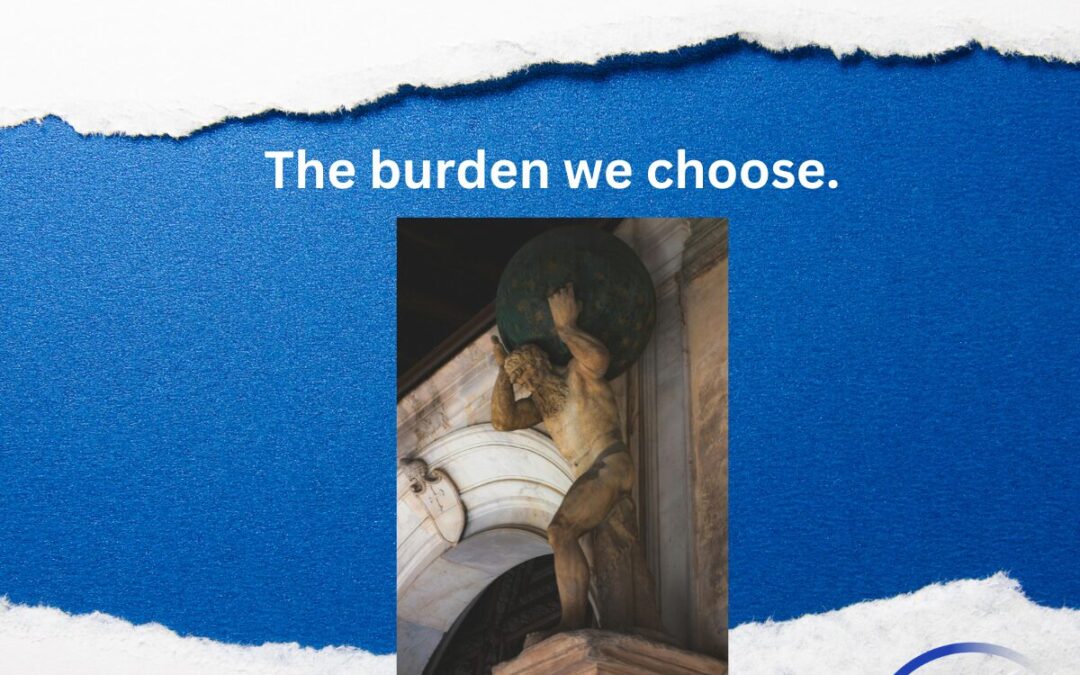
Freedom is one of the most commonly stated goals in professional life. You hear it from executives, entrepreneurs, early-career professionals, and people halfway through a career reassessment. The word carries a sense of relief and possibility. It suggests independence, control, and the ability to shape how your time and energy are being spent at work.
But if you listen closely to how many people talk about freedom, what they’re actually describing sounds less like independence and more like relief! Right? Relief from pressure. Relief from unresolved tension. Relief from expectations that feel heavy. What they are hoping for is not necessarily freedom itself, but distance from what feels difficult right now.
That distinction matters more than we admit. Because the path to genuine freedom is rarely built by removing all pressure from your life. In most cases, it comes from choosing which pressures you are willing to carry.
Relief
When people imagine freedom, they often picture a life that feels lighter. Less urgency, fewer demands, fewer conversations that require emotional effort. The assumption is that if those pressures disappeared, clarity and satisfaction would naturally follow.
But relief is temporary by nature. It feels good in the moment, yet it rarely addresses the underlying source of tension. A new role, a new project, even a new environment may initially feel liberating, but unresolved patterns tend to travel with us. Without reflection, what felt like freedom becomes another version of the same situation.
Pressure
Pressure is usually framed as something to eliminate, but in reality it’s one of the forces that shapes meaningful work. The responsibility to deliver, the expectations attached to leadership, and the weight of decisions that affect others are all forms of pressure.
Professionals who experience the most satisfaction rarely remove pressure entirely. Instead, they become more intentional about its source. The pressure tied to work that matters feels very different from pressure tied to obligations that no longer align. One drains energy; the other focuses it.
Discomfort
Discomfort has a reputation for being something to avoid, yet it is often where the most important learning occurs. Difficult feedback, uncertainty about outcomes, and conversations that require honesty rather than convenience are all uncomfortable moments.
Freedom doesn’t eliminate these moments. In many cases, it increases them because autonomy removes the protective structure that once absorbed the risk. The professionals who handle freedom well are those who develop the ability to remain steady when discomfort appears rather than immediately trying to escape it.
Responsibility
One of the less glamorous truths about freedom is that it comes with greater responsibility. When someone else sets the direction, there is always an external framework to rely on. When you gain autonomy, that framework becomes yours to build.
Responsibility at that level can feel heavy because there are fewer places to hide when things go wrong. Yet it also creates a deeper sense of ownership. The outcomes belong to you, not to a system you are simply operating within.
Decisions
Freedom expands the number of decisions you must make. It asks you to determine priorities, define boundaries, and choose how to allocate your attention. For professionals used to structured environments, this can feel overwhelming at first.
The challenge is not the volume of decisions but the clarity behind them. When values and direction are unclear, every choice becomes mentally exhausting. When they are defined, decisions become simpler—even when the work itself remains complex.
Ownership
True freedom shows up when professionals begin to see their work as something they own rather than something they manage. Ownership changes the tone of responsibility. It shifts the mindset from compliance to commitment.
Instead of asking what is required, professionals operating from ownership ask what will make the work stronger, clearer, or more meaningful. The motivation moves from external expectations to internal standards.
Alignment
The turning point for many people comes when they realize freedom is less about eliminating difficulty and more about aligning with the right kind of difficulty. Every path contains pressure, uncertainty, and trade-offs.
Alignment means the challenges you face feel connected to something you believe in. The work still requires effort, but the effort carries meaning rather than resentment.
Perspective
Over time, professionals who pursue freedom begin to see pressure differently. Instead of interpreting it as a sign that something is wrong, they begin to view it as part of building something worthwhile.
This perspective doesn’t make challenges disappear. It simply changes the relationship you have with them. The work becomes less about escaping weight and more about deciding which weight is worth carrying.
Maturity
There is a stage in most careers where maturity shows itself through honesty. The honest recognition that no version of professional life is completely free from complexity or responsibility.
What changes is the willingness to choose your responsibilities deliberately instead of drifting into them. That shift, from reacting to choosing, is where freedom starts to become real.
This Version of Freedom Lasts
The professionals who experience the most genuine freedom are not the ones who removed pressure from their lives. They’re the ones who became thoughtful about what they carry.
They stopped chasing the absence of difficulty and started designing lives where the effort felt worthwhile. They accepted that responsibility would always be present and chose to engage with it rather than avoid it.
That version of freedom is quieter than the one people often imagine. But it is far more durable. It feels less like escape and more like ownership of the life and work you’ve decided to build.
So, I ask you again, are you seeking freedom or relief? I want to hear from you. Please like, comment or share with anyone you think might enjoy reading this. As always, I appreciate you reading!
#Leadership #ProfessionalGrowth #SelfAwareness #CareerDevelopment